Since 1960, Shaftesbury has been providing the UK's music scene with high quality instruments, effects, and amplifiers. While the American brands frequenting the covers of magazines and dreams of the day's youth were often out of reach for the aspiring musician, Shaftesbury (and its sister brand Avon) produced affordable gear to get the look and sound so many desired. Find out more about our history, models, and artists below.


Born in London in 1960
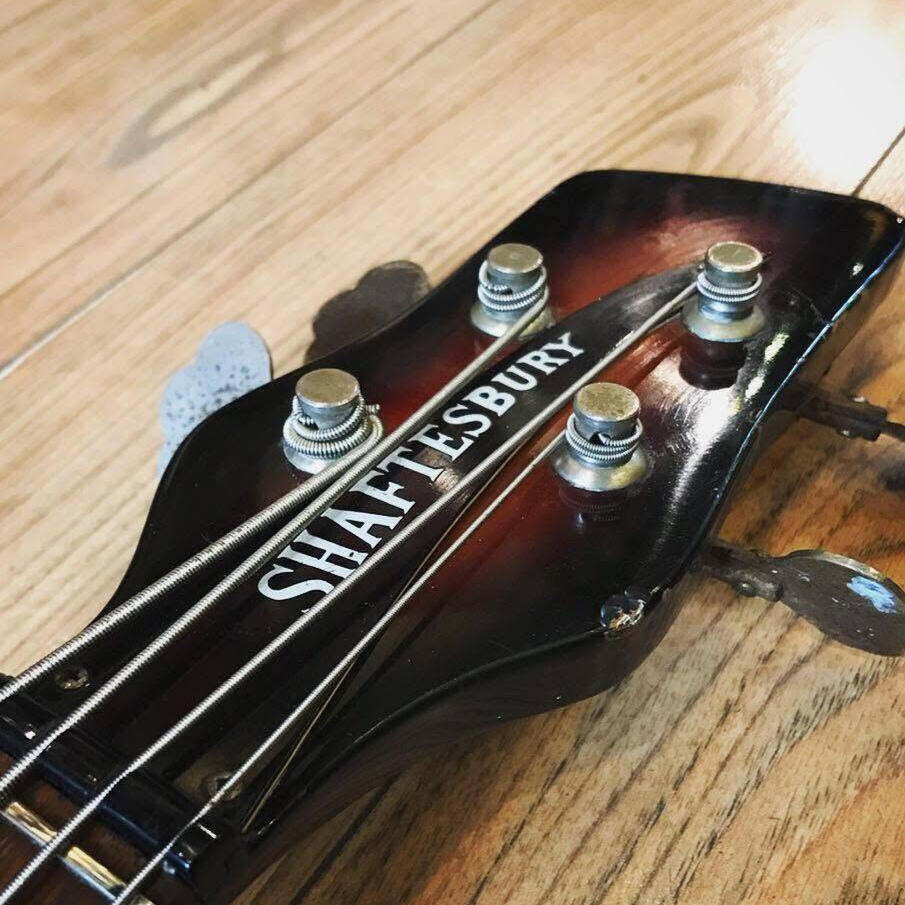
The original Shaftesbury guitars were produced in the 60s and 70s by various factories in Japan, Italy, and Britain. Each complete with a 'Rose-Morris Sponsored Instruments' badge, the instruments were sold through Rose Morris' London showrooms over the years.In more recent years the brand was revived for an updated run of guitars and basses with more modern specifications, and in 2025 the classic Duo Fuzz stompbox was resurrected in all its crackly, saturated glory.
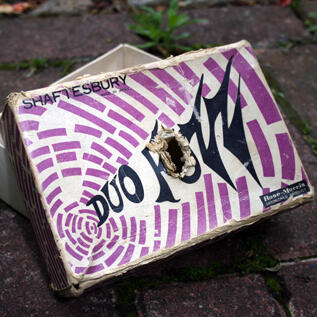
The original Duo Fuzz
Originally developed by the Shin-Ei corporation in Japan for Univox, Watson, and Shaftesbury, our version is widely known for being the one showcased on The Who’s hugely acclaimed Live at Leeds album. In conjunction with his signature Hiwatt stacks, it was a recipe for an absolutely face-melting sound.The pedal creates an octave-up tone that tracks with the original note and injects a healthy dose of fuzz for extra sustain and wild dynamics.
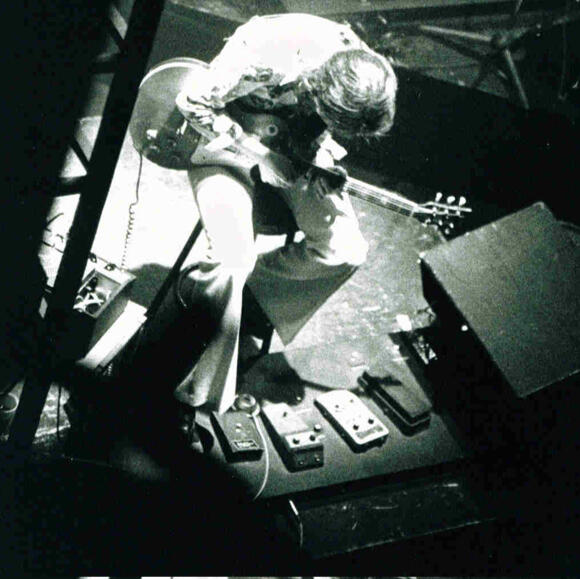
In this great overhead shot we get a glimpse into the sonic arsenal of the amazing Steve Hackett of Genesis.During the Nursery Cryme and Foxtrot years he made heavy use of a Shaftesbury Duo Fuzz that you can clearly see here with it’s oblong box enclosure and parallelogram faceplate.The Duo Fuzz’s characteristic octave-up/fuzzed out madness is all over these early Genesis albums and clearly wielded by a master way ahead of his time.
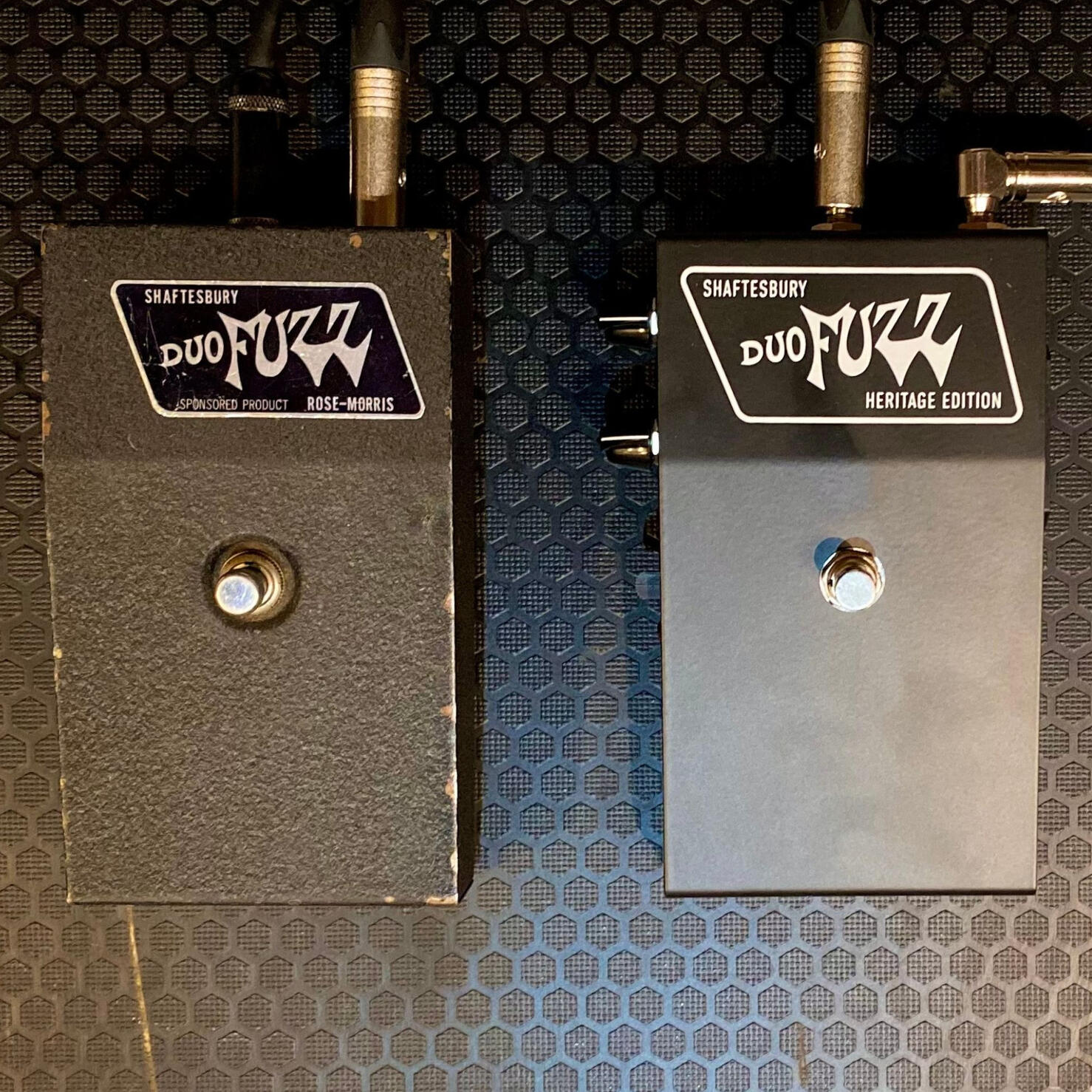
The Duo Fuzz is back!
The classic Shaftesbury fuzzbox - meticulously recreated and hand built in the UK in collaboration with ThorpyFX. Available now!
Guitars
We've made a lot of guitars over the years, but unfortunately there is no current production of Shaftesbury guitars or spare parts, and due to the numerous factories used we are unable to date specific guitars from serial numbers.
Check out our model archive below to find our more about your favourite Shaftesbury guitar!
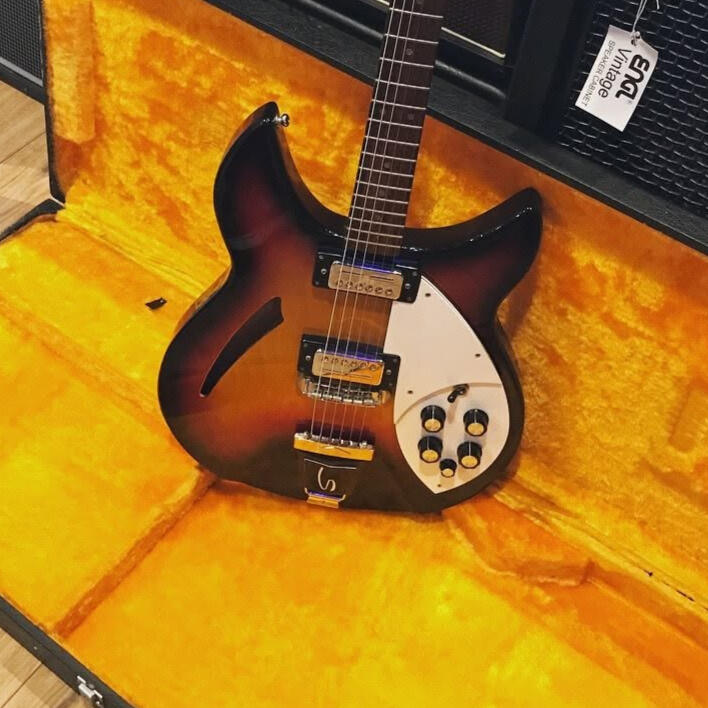
3261 & 3263
Perhaps the most well-known guitar from the Shaftesbury catalogue! Rose-Morris distributed Rickenbacker in the 60s to London's finest musicians from John Lennon to Pete Townsend, and it was only natural for a more affordable alternative to come along.These guitars were made by EKO in Italy and Fujigen in Japan, and were very popular despite not being complete replicas - notably with different pickups and bridges. The 3263 is a bass version (as used by Bill Wyman) of the same model, and there is also an elusive 12-string variant!All could be yours for £65 at launch!
3398/3400
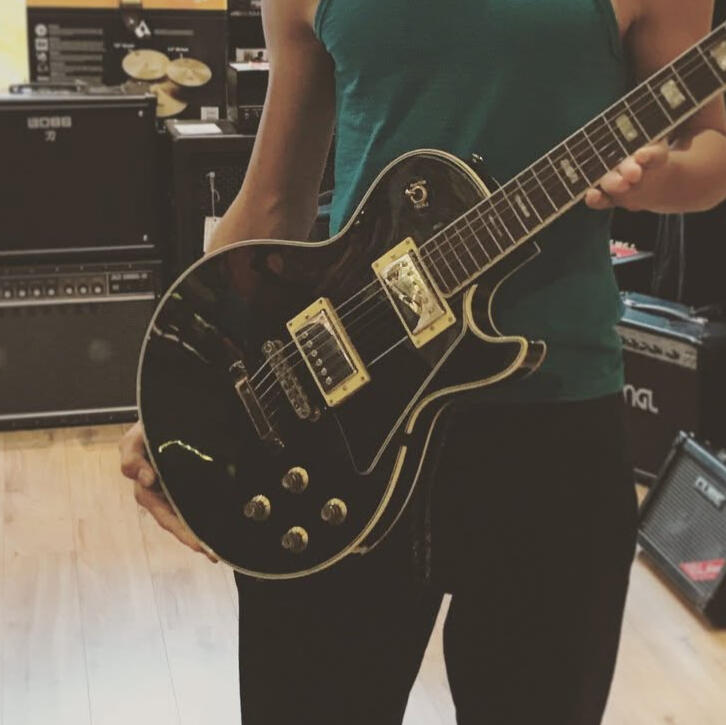
Inspired by the ever popular rock machines of the 70s in a fetching black and gold livery, this singlecut solid body electric was a little lighter than the premium offerings at the time and had a brighter tone, perfect for younger shoulders.These models were made in Japan in the Matsumoku factory from 1969 and stayed popular into the 70s. The most notable features are a slightly slimmer body, bolt on neck, and thin neck profile.
3414 Deluxe
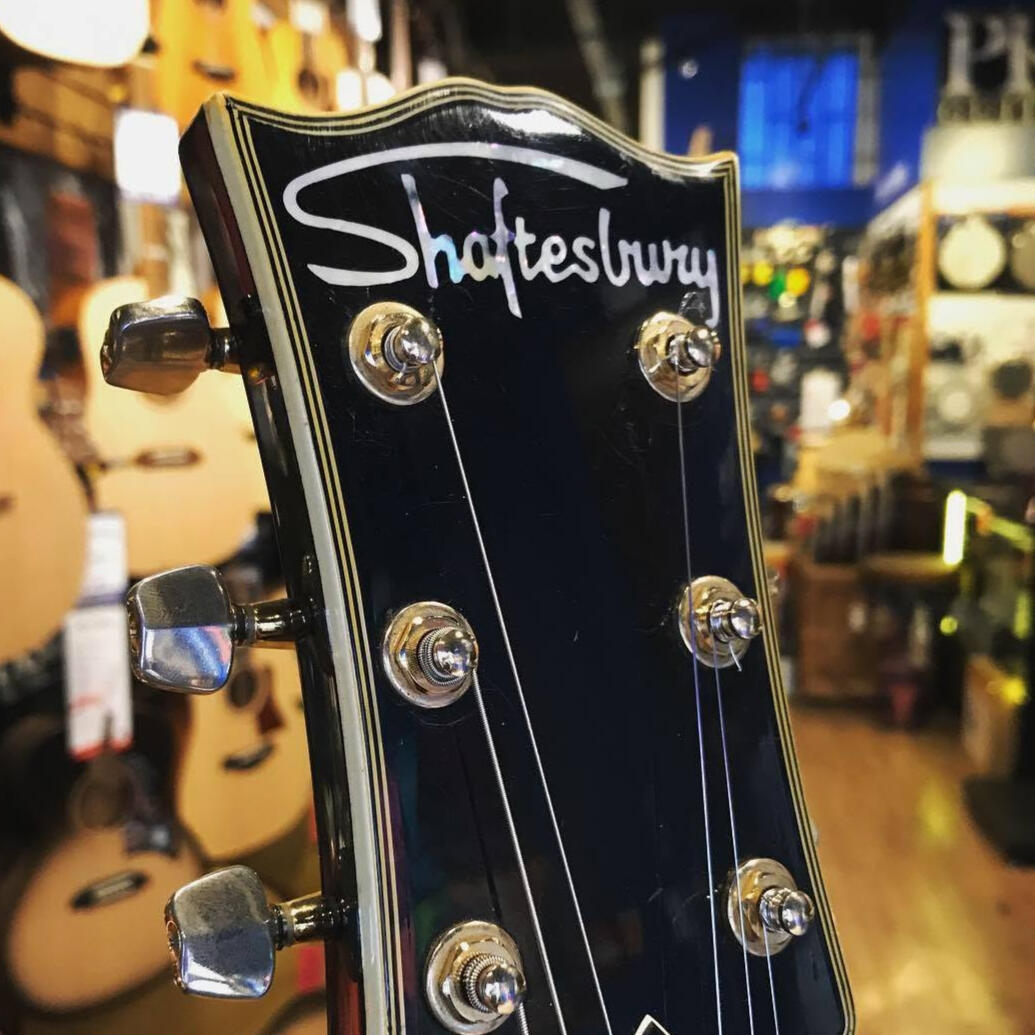
Keeping with the ever-changing trends in the guitar world, the 3414 was a more premium singlecut offering, featuring period accurate mini humbucker pickups, gold top finish and set neck design.
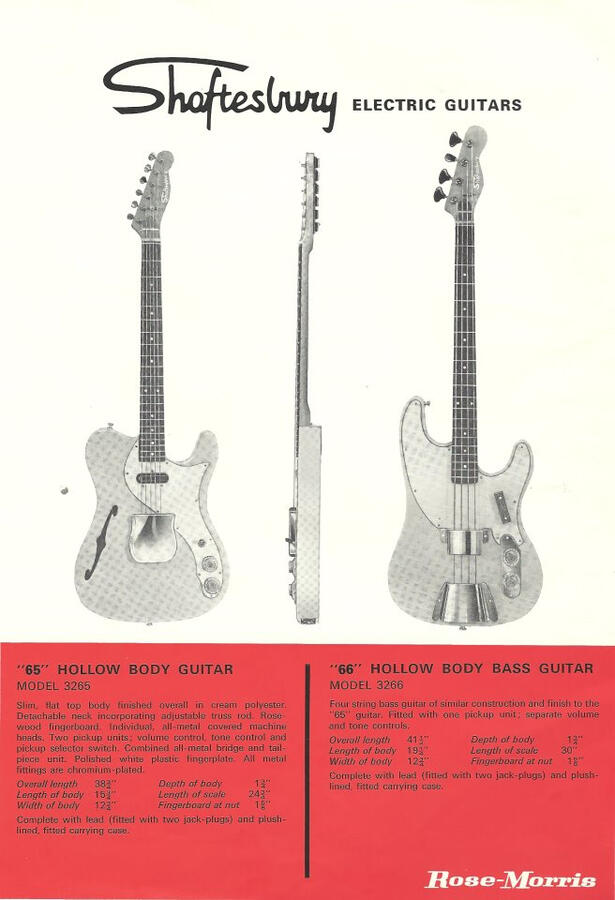
3265 Thinline & 3266 Bass
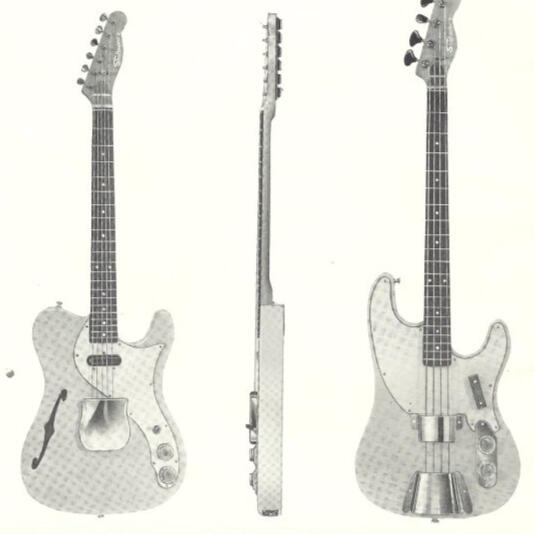
Also manufactured in the EKO factory in the late 60s / early 70s, this classic T style is superbly lightweight with an unusually slim neck for the time. They feature low output Dearmond style pickups, and can sometimes be found with the original 'ashtray' bridge cover!The bass model echoes the same 50s vibe, and both the guitar & bass were available for just £62 upon launch.
3264 'Barney Kessel'
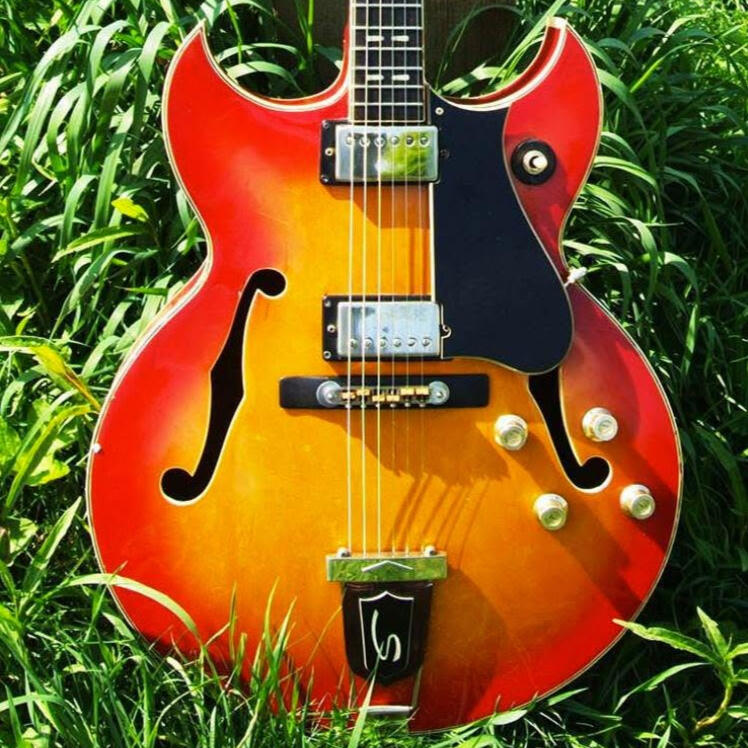
Another affordable answer to a popular USA-made guitar from the time, the 3264 was made in Japan from the late 60s to early 70s, with a slimmer neck profile and 'bowtie' inlays.
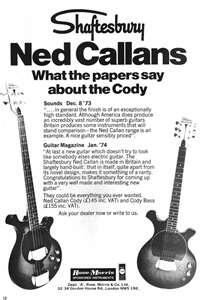
Ned Callan 'Cody'
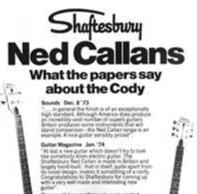
One of the more unusual models in the range, the Cody was designed by luthier Peter Cook under the alias Ned Callan, and hand built in the UK by the Shergold company.They sold for £145 and £155 for the guitar and bass respectively upon launch in 1974, and have been seen in the hands of Bobby Sands in the studio.
Western Acoustics
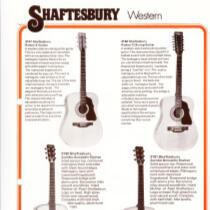
Another EKO collaboration, the Shaftesbury range of acoustics included the 3167 6- and 3168 12-string dreadnought models, and the higher end 3190 and 3191 jumbos.These guitars featured a spruce top, mahogany back and sides, and mahogany neck with a truss rod. The bridge plate is made from rosewood, and some models even have a screw height-adjustable bridge for easy setup.A popular model in the 70s, Shaftesbury Rodeo acoustics are often seen in second hand stores and auctions, still strumming away to this day.
Numerous other models of Shaftesbury guitars have surfaced throughout the years that were part of shorter runs and thus have become very rare - these include the 3402 Lucite, 1020 Gypsy Jazz Guitar, Del Vecchio Resonator, 1306 Ukulele, Avon Classicals, and the later '4001' bass.
Avon
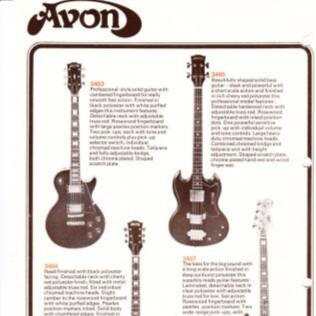
For the most budget-conscious players, Avon guitars provided a route to guitar playing at an unbeatable price for the time.Despite the lower price point, many of these instruments are still alive and playing today, their lightweight construction making them a gigging favourite for many players that want a less precious stage guitar.
The Avon designs echo that of their Shaftesbury counterparts, featuring USA-inspired solid body designs such as the 3430 & 3404 doublecut models, 3403 & Marauder singlecuts, as well as a couple of interesting basses.The 3407 is a typical J-style bass with block inlays often found in sunburst with a tortoiseshell pickguard, and the 3405 is a Fujigen-made short scale, single pickup model with EB-style appointments.
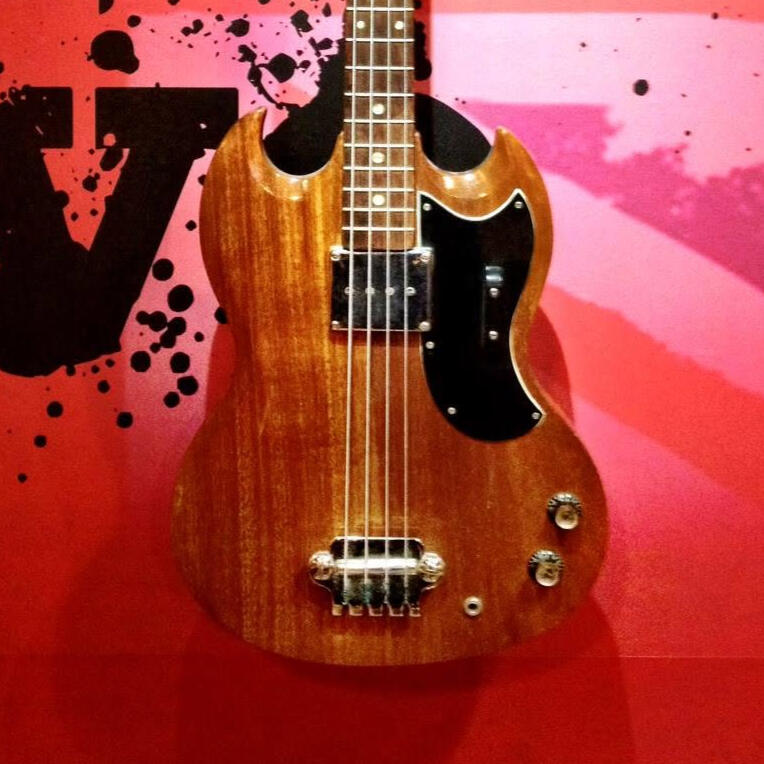
For years the Shaftesbury name was reserved for reminiscing on a time when rock music was in its infancy and many young players learned their first few chords on one of our guitars. However, still eager to provide customers with a great value guitar, the Shaftesbury catalogue was redesigned in the early 2010s with an all-new line of guitars featuring high quality parts and build quality, all assembled right here in London on the famous Denmark Street.
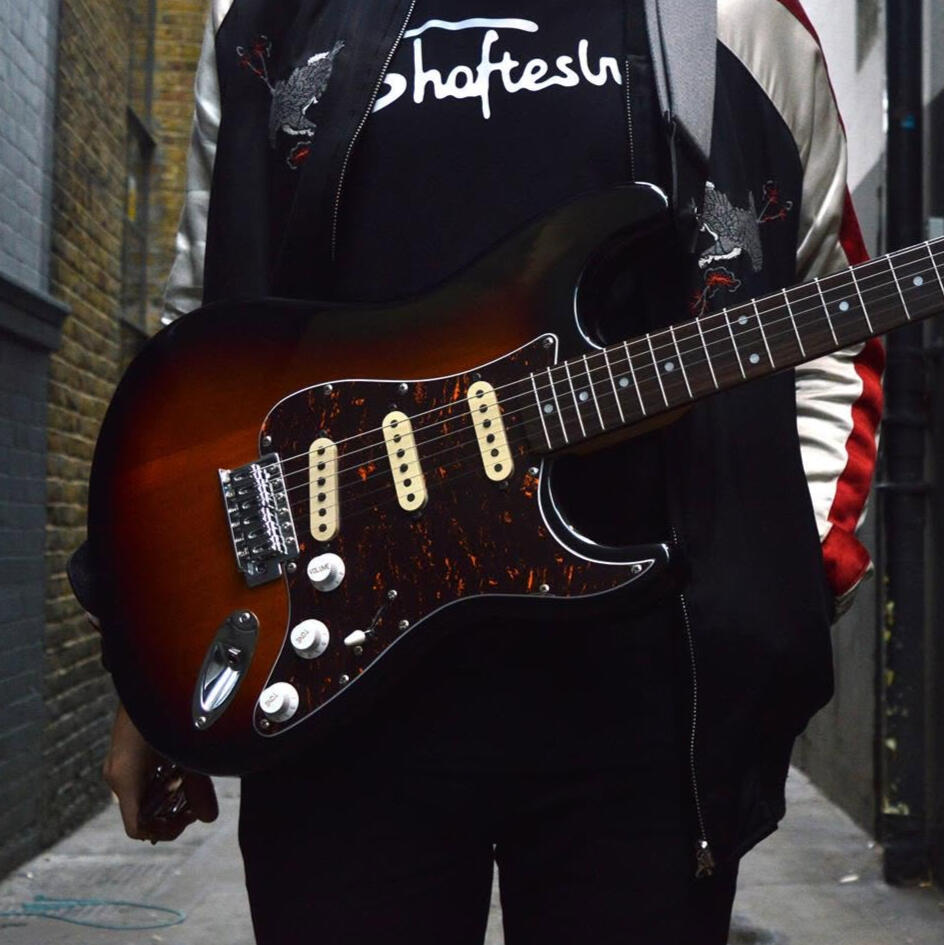
3417 & 3412
All our redesigned Shaftesbury guitars featured premium Wilkinson & Gotoh hardware for rock solid performance straight out the box, and a choice of Wilkinson or Seymour Duncan pickups. Every guitar was assembled and set up by hand on Denmark Street and came with a tweed hardcase.The 3417 is an S-style guitar with a classic alder body, maple neck, and tremolo bridge. The 3412 is a T-style instrument in a vintage blonde finish, with a hardtail bridge and thin neck that deliver a great twang.
3413
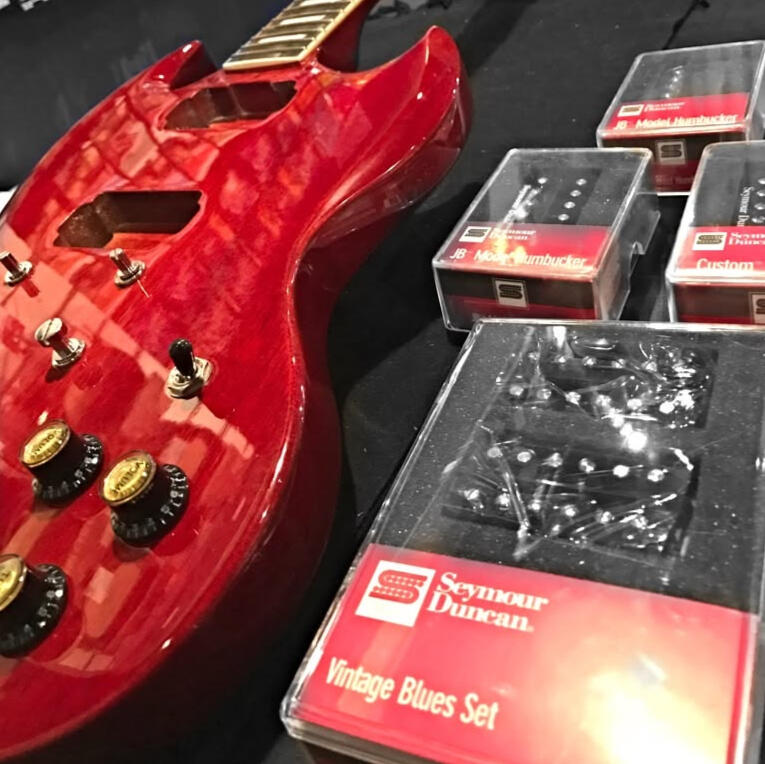
An evolution of the Avon double horned rock machine, the 3413 was available with versatile Seymour Duncan or classic Wilkinson humbuckers, which paired with the slim lightweight body makes a great guitar for stage or studio.In a see-through red finish showing off the mahogany grain below, this guitar not only sounds great, but looks the part too.
Acoustics
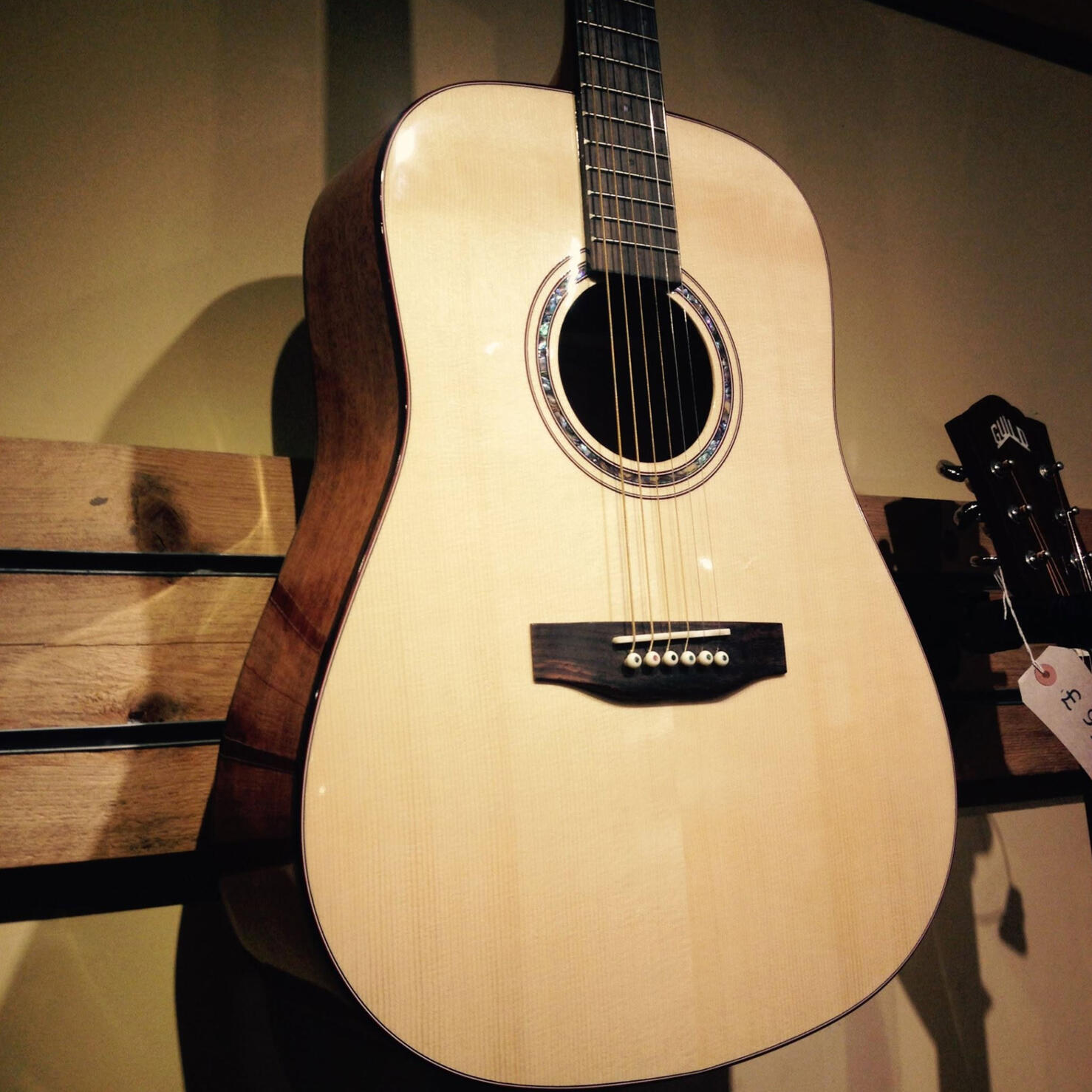
It's not just about plugging in and turning up the volume! Our Shaftesbury acoustic guitar range featured all solid wood construction with a spruce top and mahogany back and sides - something seldom seen on a guitar under £1000 at the time.The range comprised of four core models: a dreadnought, a parlour, an auditorium, and a travel friendly mini-jumbo. Every guitar came fitted with Grover machine heads, and included a hard case or gig bag.